Product title
- is backordered and will ship as soon as it is back in stock.
Shipping
Shipping
Every step of the journey is managed to uphold the integrity of each bottle.
- Nationwide Access: Flat-rate shipping available to most U.S. states with delivery in 3-5 business days.
- Temperature-Monitored Shipping: We closely monitor weather conditions and make informed decisions to ensure shipments travel safely, with insulated packaging and refrigerated transport available when required.
- Wine-Specific Protective Packaging: Specialized materials designed to maintain label integrity and prevent breakage during transit.
- Provenance Assured: All wines are maintained in climate-controlled conditions at our shop until the moment of dispatch.
Returns & Exchanges
Returns & Exchanges
We stand behind every bottle we sell.
- Corked wine? Full refund or exchange within 60 days
- Damaged shipment? Contact us within 48 hours
- Storage or quality concerns? We're here to help
Have Questions?
Have Questions?
Our team is here to help.
Hours
Sunday - Thursday: 12 pm - 8 pm
Friday: 11am - 9pm
Saturday: 10am - 9pm
Email: help@flatiron-wines.com
Phone: (212) 477-1315
Extra Brut - Champagne Selections
View all-
 Sold out
A. Margaine Champagne 1er Cru Le Brut NV
$5499Unit price -
 Sold out
Andre Heucq Champagne Cuvee Oeuf 2023
$10499Unit price -
Andre Heucq Champagne Extra Brut Heritage Assemblage NV
$6299Unit price -
Sold out
Andre Heucq Champagne Parcellaire Les Roches 2017
$11199Unit price -
Barrat-Masson Champagne Extra Brut Grain d'Argile NV ['16 Base]
$6999Unit price -

Benoit Lahaye Champagne Extra Brut Blanc de Noirs NV
$9399Unit price -
-
![Bottle of Brice Champagne Bouzy Grand Cru Blanc de Noirs Brut NV ['20 Base]-Sparkling Wine-Flatiron SF](data:image/svg+xml,%3Csvg%20xmlns='http://www.w3.org/2000/svg'%20viewBox='0%200%20900%201350'%3E%3C/svg%3E)
Brice Champagne Bouzy Grand Cru Blanc de Noirs Brut NV ['20 Base]
$5999Unit price


![Bottle of Barrat-Masson Champagne Extra Brut Grain d'Argile NV ['16 Base]-Sparkling Wine-Flatiron SF](http://sf.flatiron-wines.com/cdn/shop/files/Bottle-of-Barrat-Masson-Champagne-Extra-Brut-Grain-dArgile-NV-16-Base-Sparkling-Wine-Flatiron-SF.jpg?v=1743634596&width=460)


![Bottle of Brice Champagne Bouzy Grand Cru Blanc de Noirs Brut NV ['20 Base]-Sparkling Wine-Flatiron SF](http://sf.flatiron-wines.com/cdn/shop/files/Bottle-of-Brice-Champagne-Bouzy-Grand-Cru-Blanc-de-Noirs-Brut-NV-20-Base-Sparkling-Wine-Flatiron-SF.jpg?v=1746923949&width=460)

Wirth Michel Champagne Extra Brut Origines NV is backordered and will ship as soon as it is back in stock.
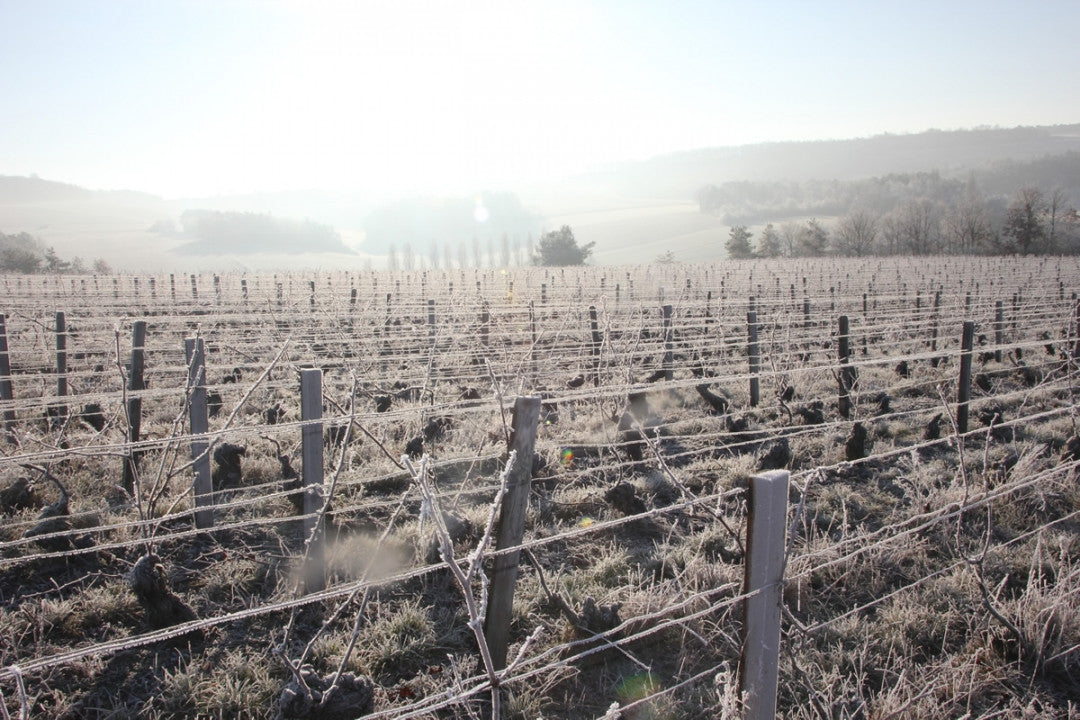
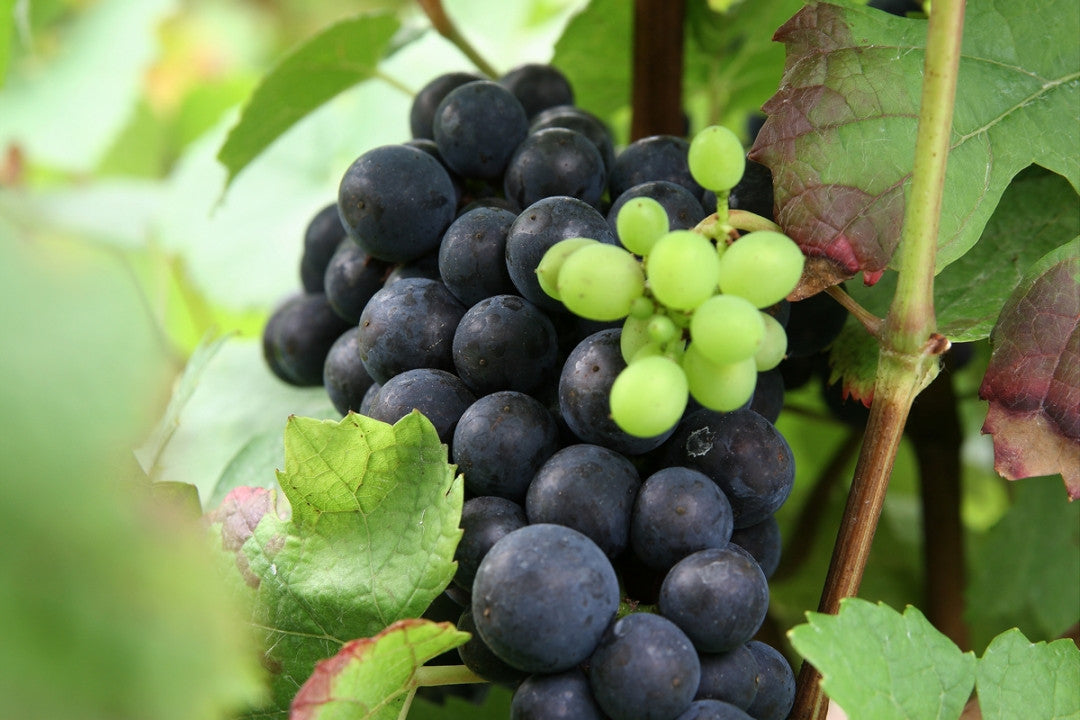
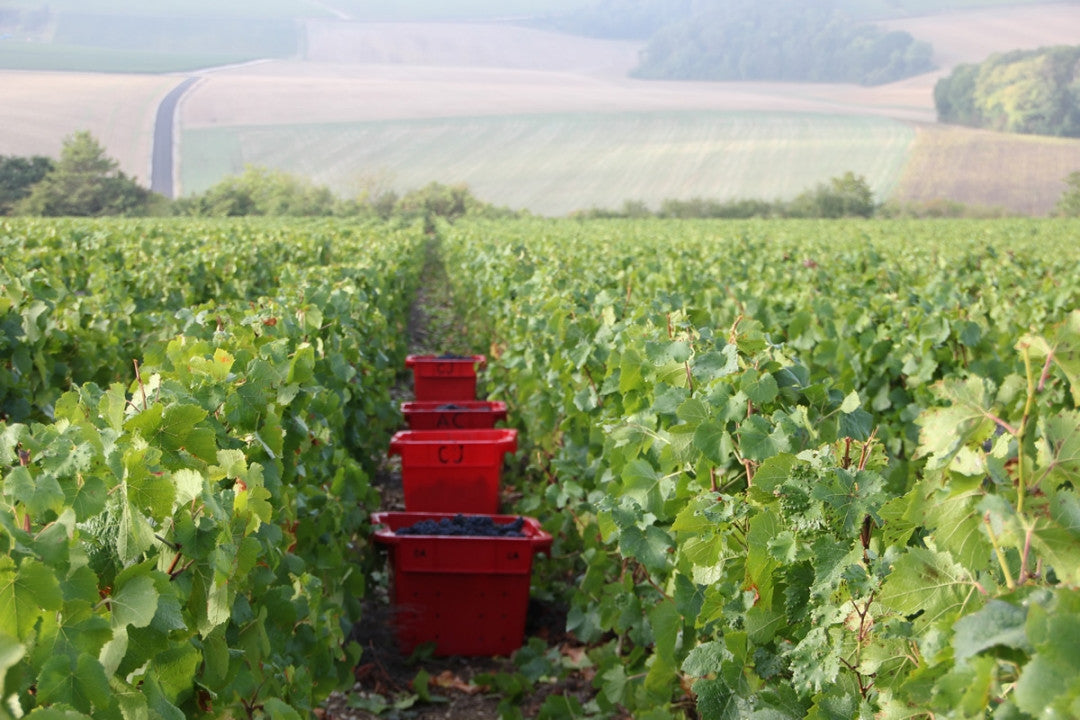
Meunier usually gets treated as Champagne's third wheel — the workhorse blended in for flesh, rarely credited. The Wirth family, five generations deep in the Coteaux Sud d'Épernay villages of Vinay, Moussy and Brugny, build their house wine around it instead: 70% Meunier to 30% Chardonnay, farmed organically, fermented partly in 600-liter barrel with reserve wine held in concrete. Twenty-six months on the lees give it depth, and a dosage of just 2 grams per liter means there's no sugar to hide behind. What's left is Champagne with its shirt untucked: citrus, ginger, orchard fruit and a saline snap, all of it dry and direct. If your idea of Meunier is 'soft and fruity,' this will rearrange it.
Shipping
Shipping
Every step of the journey is managed to uphold the integrity of each bottle.
- Nationwide Access: Flat-rate shipping available to most U.S. states with delivery in 3-5 business days.
- Temperature-Monitored Shipping: We closely monitor weather conditions and make informed decisions to ensure shipments travel safely, with insulated packaging and refrigerated transport available when required.
- Wine-Specific Protective Packaging: Specialized materials designed to maintain label integrity and prevent breakage during transit.
- Provenance Assured: All wines are maintained in climate-controlled conditions at our shop until the moment of dispatch.
Returns & Exchanges
Returns & Exchanges
We stand behind every bottle we sell.
- Corked wine? Full refund or exchange within 60 days
- Damaged shipment? Contact us within 48 hours
- Storage or quality concerns? We're here to help
Have Questions?
Have Questions?
Our team is here to help.
Hours
Sunday - Thursday: 12 pm - 8 pm
Friday: 11am - 9pm
Saturday: 10am - 9pm
Email: help@flatiron-wines.com
Phone: (212) 477-1315