
Eric Rodez Champagne Grand Cru Extra Brut Rose Maceration NV is backordered and will ship as soon as it is back in stock.
The Eric Rodez Champagne Grand Cru Extra Brut Rosé Maceration NV is a captivating and bold expression of Pinot Noir from the Grand Cru vineyards of Ambonnay, a village renowned for its exceptional terroir. This rosé is crafted using the maceration method, which involves extended skin contact to extract both the vivid color and the complex, structured character of Pinot Noir. Eric Rodez’s commitment to biodynamic practices and minimal intervention ensures that the wine authentically reflects the vineyard’s quality and the precision of his winemaking. The low 3 g/l dosage of Extra Brut further highlights the wine’s purity and vibrancy.
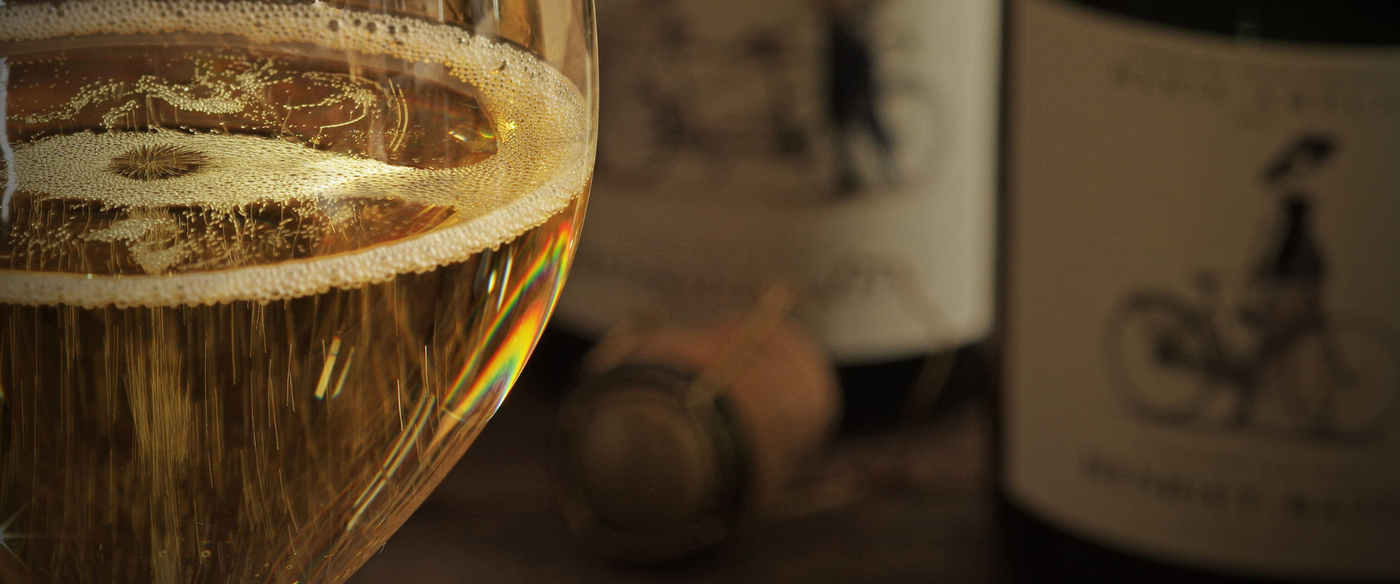
In the glass, the wine displays a radiant, deep pink hue with orange highlights. On the nose, it offers an expressive bouquet of wild strawberries, red cherries, and pomegranate, layered with notes of rose petals, orange zest, and a touch of spice. Subtle hints of toasted brioche and chalky minerality add depth and intrigue. The palate is full-bodied and structured, with vibrant acidity and a fine, persistent mousse. The flavors mirror the nose, with red fruit and citrus leading into a long, mineral-driven finish that is both fresh and elegant.
This Champagne is a versatile pairing for a variety of dishes, including smoked salmon, duck breast with a cherry glaze, or grilled prawns. It also complements charcuterie, soft cheeses, and fruit-based desserts like strawberry tart. The Eric Rodez Champagne Grand Cru Extra Brut Rosé Maceration NV is a remarkable example of rosé Champagne, offering both richness and finesse, and showcasing Eric Rodez’s mastery of crafting wines that embody the character of Ambonnay. Perfect for celebrations or refined meals, this rosé is as versatile as it is memorable.
Shipping
Shipping
Every step of the journey is managed to uphold the integrity of each bottle.
- Nationwide Access: Flat-rate shipping available to most U.S. states with delivery in 3-5 business days.
- Temperature-Monitored Shipping: We closely monitor weather conditions and make informed decisions to ensure shipments travel safely, with insulated packaging and refrigerated transport available when required.
- Wine-Specific Protective Packaging: Specialized materials designed to maintain label integrity and prevent breakage during transit.
- Provenance Assured: All wines are maintained in climate-controlled conditions at our shop until the moment of dispatch.
Returns & Exchanges
Returns & Exchanges
We stand behind every bottle we sell.
- Corked wine? Full refund or exchange within 60 days
- Damaged shipment? Contact us within 48 hours
- Storage or quality concerns? We're here to help
Have Questions?
Have Questions?
Our team is here to help.
Hours
Sunday - Thursday: 12 pm - 8 pm
Friday: 11am - 9pm
Saturday: 10am - 9pm
Email: help@flatiron-wines.com
Phone: (212) 477-1315
Extra Brut - Champagne Selections
View all-
 Sold out
A. Margaine Champagne 1er Cru Le Brut NV
$5499Unit price -
 Sold out
Andre Heucq Champagne Cuvee Oeuf 2023
$10499Unit price -
Andre Heucq Champagne Extra Brut Heritage Assemblage NV
$6299Unit price -
Sold out
Andre Heucq Champagne Parcellaire Les Roches 2017
$11199Unit price -
Barrat-Masson Champagne Extra Brut Grain d'Argile NV ['16 Base]
$6999Unit price -

Benoit Lahaye Champagne Extra Brut Blanc de Noirs NV
$9399Unit price -
-
![Bottle of Brice Champagne Bouzy Grand Cru Blanc de Noirs Brut NV ['20 Base]-Sparkling Wine-Flatiron SF](data:image/svg+xml,%3Csvg%20xmlns='http://www.w3.org/2000/svg'%20viewBox='0%200%20900%201350'%3E%3C/svg%3E)
Brice Champagne Bouzy Grand Cru Blanc de Noirs Brut NV ['20 Base]
$5999Unit price


![Bottle of Barrat-Masson Champagne Extra Brut Grain d'Argile NV ['16 Base]-Sparkling Wine-Flatiron SF](http://sf.flatiron-wines.com/cdn/shop/files/Bottle-of-Barrat-Masson-Champagne-Extra-Brut-Grain-dArgile-NV-16-Base-Sparkling-Wine-Flatiron-SF.jpg?v=1743634596&width=460)


![Bottle of Brice Champagne Bouzy Grand Cru Blanc de Noirs Brut NV ['20 Base]-Sparkling Wine-Flatiron SF](http://sf.flatiron-wines.com/cdn/shop/files/Bottle-of-Brice-Champagne-Bouzy-Grand-Cru-Blanc-de-Noirs-Brut-NV-20-Base-Sparkling-Wine-Flatiron-SF.jpg?v=1746923949&width=460)

Henriet-Bazin Champagne 1er Cru Brut Nature Gaston et Louise NV is backordered and will ship as soon as it is back in stock.
Zero sugar, nowhere to hide. Brut Nature means no dosage, not a gram added at the end, which is a nervy choice because sugar is exactly what most Champagne leans on to smooth over its rough edges. Marie-Noelle Rainon-Henriet, the fourth generation running this family domaine, doesn't need the crutch. The cuvee is named for her great-grandfather Gaston and her grandmother Louise, whose vineyards were joined when the families married, and it's a half-and-half blend of Pinot Noir from Verzenay and Verzy with Chardonnay from Villers-Marmery. What's left is Champagne stripped back to its frame: chalk, orchard fruit and a bracing line of acidity. If you like your bubbles serious and bone-dry, start here.
Shipping
Shipping
Every step of the journey is managed to uphold the integrity of each bottle.
- Nationwide Access: Flat-rate shipping available to most U.S. states with delivery in 3-5 business days.
- Temperature-Monitored Shipping: We closely monitor weather conditions and make informed decisions to ensure shipments travel safely, with insulated packaging and refrigerated transport available when required.
- Wine-Specific Protective Packaging: Specialized materials designed to maintain label integrity and prevent breakage during transit.
- Provenance Assured: All wines are maintained in climate-controlled conditions at our shop until the moment of dispatch.
Returns & Exchanges
Returns & Exchanges
We stand behind every bottle we sell.
- Corked wine? Full refund or exchange within 60 days
- Damaged shipment? Contact us within 48 hours
- Storage or quality concerns? We're here to help
Have Questions?
Have Questions?
Our team is here to help.
Hours
Sunday - Thursday: 12 pm - 8 pm
Friday: 11am - 9pm
Saturday: 10am - 9pm
Email: help@flatiron-wines.com
Phone: (212) 477-1315